
Published 21 November 2026 · 3-minute read
Research interviews, focus groups, board meetings, hearings, podcasts: transcription turns hours of audio into text you can read, quote, analyse and archive. You still need to know which type of transcription to ask for.
Here are the choices to make, and tips for a recording that transcribes well.
In short
- Choose between verbatim and clean transcription.
- Specify whether you want timestamps and speaker identification.
- Recording quality drives most of the deadline and price.
- A transcription can be translated straight away.
- Inform participants: recordings involve personal data.
Three types of transcription
| Type | Content | For whom |
|---|---|---|
| Verbatim | Everything: hesitations, repetitions, laughter, “um” | Qualitative research, discourse analysis, legal |
| Clean verbatim | Faithful to meaning, without verbal tics | Interviews, studies, articles, podcasts |
| Summary / minutes | Structured summary of discussions and decisions | Meetings, boards, assemblies |
Options to specify
- Timestamps: at each speaker change or at regular intervals.
- Speaker identification: names, roles or anonymous codes (“Participant 3”).
- Anonymisation: removing names and places for research.
- Format: Word, subtitles (SRT), table.
- Translation of the transcript into another language.
Recording for good transcription
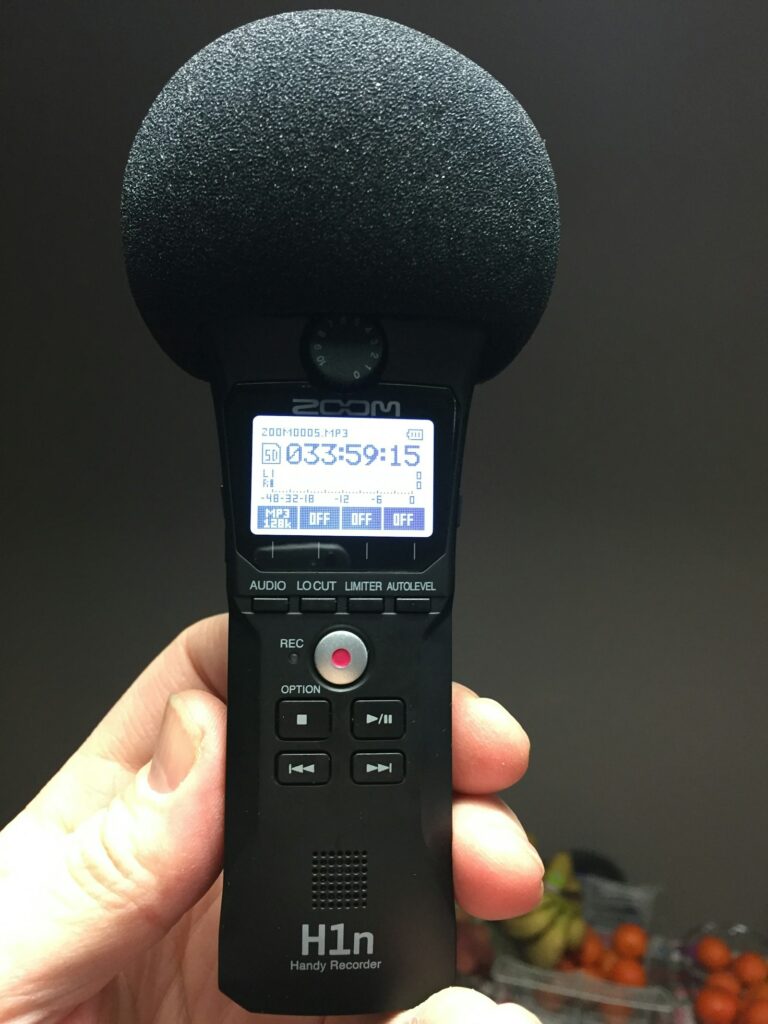
- Use a recorder or external microphone rather than a laptop mic.
- Place it in the centre, away from air conditioning and cups.
- Avoid several people talking at once.
- Ask participants to introduce themselves at the start.
- Record in a good-quality file and do a few seconds’ test.
One hour of audio takes several hours of human transcription: a clean recording without background noise reduces deadline and cost.
Automatic or human transcription?
Automatic tools give a fast first draft, useful for internal use. For quotations in a publication, legal documents, strong accents, several languages or technical vocabulary, human transcription (or a full human review) remains necessary.
Personal data and consent
A voice and what someone says are personal data. Inform participants about the recording and its use, obtain their consent, and choose a provider that guarantees confidentiality and deletes files at the end of the project.
Multilingual transcription in Brussels
Brussels meetings often switch from one language to another. We transcribe discussions in French, Dutch, English and more than 100 languages, and can deliver the transcript translated into a single language.
Discover our transcription service and, for archives or manuscripts, archive transcription.
Recordings to transcribe?
Tell us the duration, language and type of transcription: you receive an accurate quote.
Request a free quote WhatsApp +32 494 77 88 76Frequently asked questions
How long does it take to transcribe one hour of audio?
Depending on quality and type, from a few hours to a working day. The exact deadline is in the quote.
Can you transcribe an interview in several languages?
Yes, and translate it into a single language if you wish.
Which format do you deliver?
Word by default, but also subtitles (SRT), tables or any agreed format.
Are audio files deleted?
Yes, at the end of the project and on request, with a confidentiality commitment.
Do you write meeting minutes?
Yes: from the recording, we write a structured summary of discussions and decisions.