
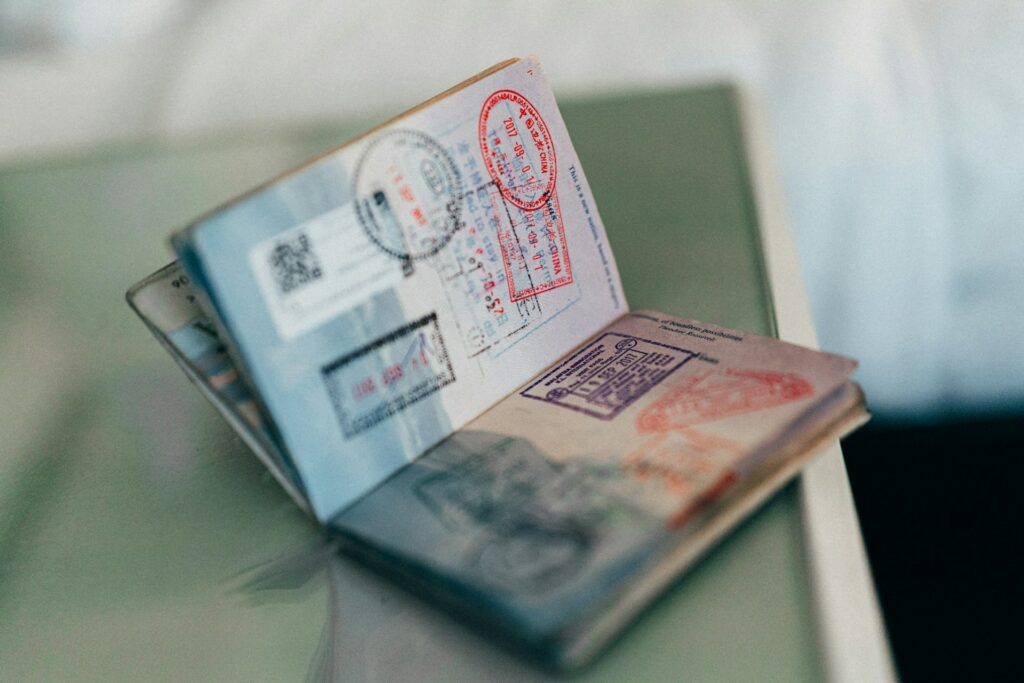
Legalising a foreign document in Belgium
Birth certificate, diploma, judgment, register extract: to be accepted in Belgium, a foreign document often needs legalisation or an apostille, then a sworn translation. We tell you the right procedure and can handle it for you.
- Advice on the right procedure by country
- Sworn translation in more than 100 languages
- Legalisation of translations for use abroad
- In Brussels since 2002
- Sworn translators
- 100+ languages
- Quote in 5 minutes
They trust us

Legalisation or apostille: which procedure for your document?
EU countries
For most public documents, neither legalisation nor apostille is required any more (EU Regulation 2016/1191).
Hague Convention countries
A single formality: the apostille, issued by the competent authority of the country of origin.
Other countries
Chain legalisation: the country’s foreign ministry, then the Belgian embassy or consulate.
Bilateral agreements
Some countries have specific agreements with Belgium: check case by case.
Belgian documents for abroad
Legalisation or apostille by the FPS Foreign Affairs, depending on the destination country.
Belgian sworn translations
The sworn translator’s signature is legalised by the FPS Justice if the translation is used abroad.
The role of the FPS Justice and FPS Foreign Affairs
The FPS Justice keeps the national register of sworn translators. For use in Belgium, the sworn translator’s electronic signature is in principle enough. For use abroad, the FPS Justice legalises the translator’s signature.
The FPS Foreign Affairs then legalises or apostilles Belgian documents (including sworn translations already legalised by the FPS Justice) intended for abroad. For foreign documents intended for Belgium, it is the Belgian embassies and consulates that legalise, unless an apostille applies.
The order to follow for a foreign document: 1) authentication in the country of origin (apostille or legalisation), 2) sworn translation in Belgium, 3) submission to the Belgian authority.
Costs and deadlines
- Administrative fees: set by the authority that legalises or apostilles (country of origin, embassy, FPS), varying by document.
- Our handling of a legalisation or apostille procedure in Belgium: €20 to €40 as a guide.
- Sworn translation: from €40 for a one-page certificate.
- Deadline: a few days depending on the authority; plan ahead for urgent files.
How we help, in 4 steps
Analysis
You send us the document, its country of origin and the receiving authority.
The right procedure
We tell you whether an apostille, a legalisation or nothing at all is needed.
Sworn translation
Translated by a sworn translator, electronically signed.
Legalisation
If the document is used abroad, we handle legalisation and apostille in Belgium.
Pages that may help you
Apostille
Getting a Belgian document recognised abroad.
See the page →ServiceSworn translation in Brussels
Everything about our sworn translations.
See the page →GuideHow to get a sworn translation
The 6 steps to follow.
Read the guide →MunicipalityDocuments for your municipality
Marriage, legal cohabitation, nationality.
See the page →PricesSworn translation price
What affects the price.
See prices →An accurate, free, no-obligation quote
We support clients worldwide and in every language. Describe what you need and attach your document: a project manager will reply with the price and turnaround time.
- Fast reply, 7 days a week
- Fixed price, no hidden costs
- Your files remain confidential
Frequently asked questions about legalisation
What is the difference between legalisation and an apostille?
The apostille is a single formality under the Hague Convention. Legalisation goes through several authorities, including the Belgian embassy or consulate.
Does a document from an EU country need legalising?
For most public documents, no. A translation may still be needed unless a multilingual form is accepted.
Legalise before or after translation?
For a foreign document, authentication is done before translation, in the country of origin.
Can you legalise a foreign document for me?
Formalities in the country of origin must be done there or via the embassy. We handle the Belgian steps and the translation.
Does my sworn translation need legalising?
For use in Belgium, in principle no. For use abroad, generally yes.
A foreign document to have recognised?
Send it to us: we tell you the right procedure and a fixed price within minutes.