Global Lingua Services

Documents for use abroad

Apostille and legalisation of your sworn translations

For a Belgian document or its translation to be recognised abroad, you usually need an apostille or a legalisation. We translate your document and handle the procedures with the FPS Foreign Affairs.

  • Sworn translation and apostille in a single order
  • Procedures with the FPS Foreign Affairs handled for you
  • Embassy legalisation if the country requires it
  • In Brussels since 2002
  • Sworn translators
  • 100+ languages
  • Quote in 5 minutes
References

They trust us

Parlement européen
CECOFORMA
GIZ
Definition

Apostille or legalisation: what is the difference?

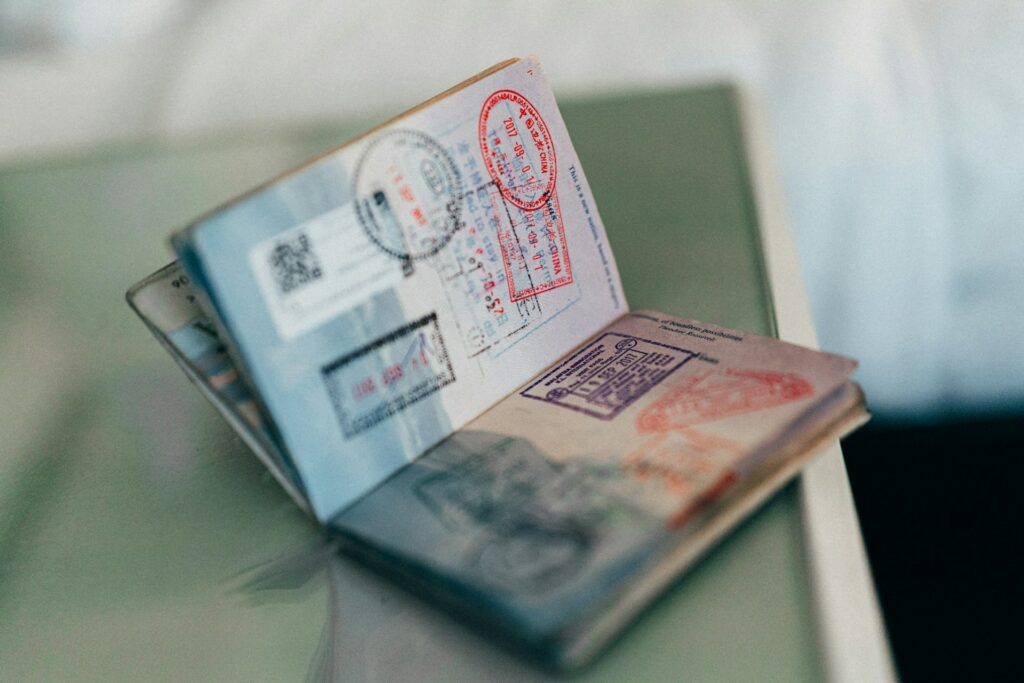
An apostille is a certificate confirming the authenticity of the signature on a public document. It is sufficient for countries that have joined the 1961 Hague Convention. In Belgium, it is issued by the FPS Foreign Affairs, only in electronic form since May 2018.

For countries that have not joined this convention, a legalisation is needed: the FPS Foreign Affairs legalises the document, then the embassy or consulate of the destination country legalises it in turn.

Between European Union countries, many public documents (birth, marriage, nationality, absence of a criminal record…) no longer need an apostille since EU Regulation 2016/1191.

Sworn translation

Apostilling a sworn translation: how does it work?

Since December 2022, sworn translators listed in the national register sign their translations electronically. For use in Belgium, this signature is enough: no further legalisation is needed.

For use abroad, the sworn translation must be legalised by the FPS Foreign Affairs, which adds the apostille or legalisation depending on the destination country.

Depending on the country and the authority, the original document (certificate, diploma, judgment…) sometimes also needs an apostille. We set out the exact order of the steps in the quote.

Before the apostille

Who authenticates the original document?

For a Belgian document, another authority often intervenes before the FPS Foreign Affairs:

  • Document issued by a commune (civil status certificate, household composition…): signed by the mayor or an alderman whose signature is registered with Foreign Affairs.
  • Criminal record extract: request it from your commune, which can forward it directly for legalisation.
  • Diploma: first authenticated by the French or Flemish Community, or by the commune for certain schools.
  • Judgment or court decision: first filed with the FPS Justice.
  • Notarial deed (articles of association, power of attorney…): the notary requests the apostille directly.
How it works

Your document ready for use abroad, in 4 steps

  1. Tell us the destination country

    Send your document and specify the country and the authority asking for it.

  2. Receive your quote

    Fixed price, deadline and procedure (apostille or legalisation) confirmed within 5 minutes.

  3. Translation and legalisation

    Sworn translation, then application for the apostille or legalisation with the FPS Foreign Affairs.

  4. You receive everything

    The translation and the electronic apostille by email; a paper copy by post if necessary.

Deadlines

How long does it take?

The sworn translation of a standard document is usually ready within 24 hours. An apostille requested online is generally processed within 48 hours by the FPS Foreign Affairs. For a legalisation, add the time needed by the embassy of the destination country, which varies.

Leaving soon? Tell us your deadline: we confirm what is possible before we start.

Quote request

An accurate, free, no-obligation quote

We support clients worldwide and in every language. Describe what you need and attach your document: a project manager will reply with the price and turnaround time.

  • Fast reply, 7 days a week
  • Fixed price, no hidden costs
  • Your files remain confidential


    Reply within 5 minutes · no obligation · no hidden costs

    Your data and documents are used only to prepare your quote and remain confidential.

    FAQ

    Frequently asked questions about the apostille

    What is an apostille?

    It is a certificate confirming the authenticity of the signature on a public document, so that it is recognised in another country party to the 1961 Hague Convention. In Belgium, it is issued electronically by the FPS Foreign Affairs.

    Does my destination country accept the apostille?

    Yes, if it has joined the 1961 Hague Convention. Otherwise, a legalisation by the FPS Foreign Affairs is needed, followed by the embassy or consulate of the country. Tell us the country: we confirm the procedure.

    Should the original or the translation be apostilled?

    It depends on the country and the authority asking for the document: often both. We set out the order of the steps in the quote.

    Do I need an apostille for a European Union country?

    Not for the public documents covered by EU Regulation 2016/1191 (birth, marriage, nationality, absence of a criminal record…). For other documents, check with the receiving authority: we help you verify.

    How long does it take?

    Usually 24 hours for the sworn translation of a standard document and around 48 hours for an apostille requested online. An urgent service is possible depending on the language.

    A document to be used abroad?

    Tell us the document and the country: a project manager replies within 5 minutes with a fixed price, a deadline and the procedure to follow.